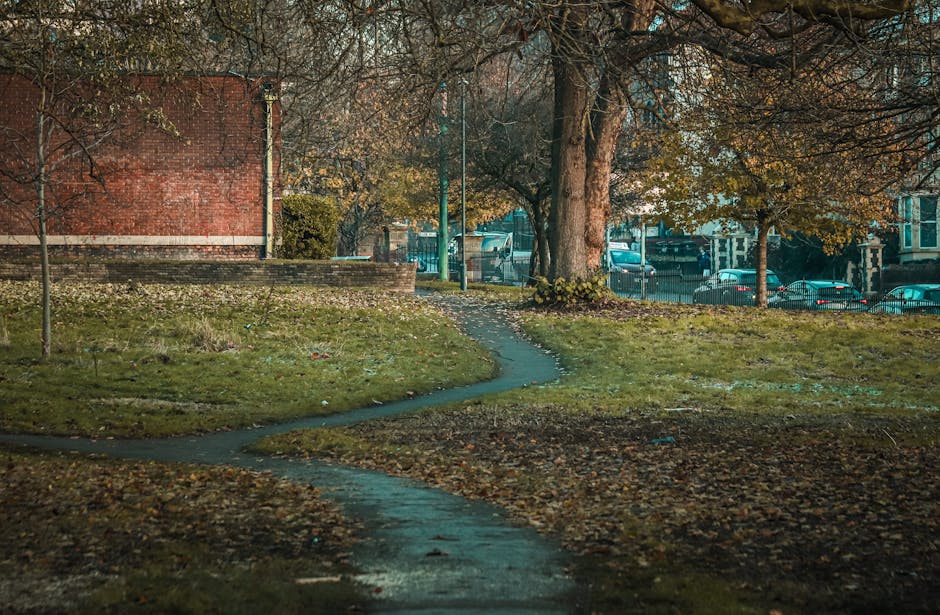
Common access problems for Finsbury Park gardeners
Gardening sounds simple until you try to get a mower, bags of soil, ladders, or a hedge trimmer through a narrow side gate, a basement passage, or a busy shared walkway. In Finsbury Park, that sort of thing comes up all the time. The topic of Common access problems for Finsbury Park gardeners is really about the small practical barriers that slow work down, raise risk, and sometimes change the whole job plan.
If you are a homeowner, landlord, tenant, or property manager, access issues can be the difference between a quick tidy-up and a frustrating half-day of moving equipment around. The good news? Most access problems can be managed with the right preparation. This guide breaks down what usually goes wrong, why it matters, and how to keep a garden job moving without drama. Fairly often, it is not the garden itself that is the problem. It is getting to it.
Table of Contents
- Why access problems matter
- How access issues affect garden work
- Key benefits of planning access properly
- Who needs this guidance
- Step-by-step guidance
- Expert tips for better results
- Common mistakes to avoid
- Tools, resources and recommendations
- Law, compliance and best practice
- Options and comparison table
- Case study
- Practical checklist
- Conclusion
- Frequently asked questions
Why Common access problems for Finsbury Park gardeners Matters
Access affects everything: time on site, labour needed, safety, disposal of waste, and whether the right tools can even reach the work area. In a dense London neighbourhood like Finsbury Park, many gardens are tucked behind terraced homes, split-level flats, or shared rear entrances. Sometimes the route to the garden is fine for a person but awkward for a wheelbarrow. Sometimes it is the opposite. You can walk through, but the mower won't fit. That's a classic access headache.
When access is poor, small jobs become slower and more expensive. Hedge trimming may take longer if ladders have to be carried through the property one careful step at a time. Garden clearance can become tricky if waste has to be moved in multiple trips through a narrow hall. And if there is tree work or larger landscaping, limited access can decide whether the job needs extra manpower, smaller machinery, or a different method altogether.
There is also a simple comfort factor. Nobody wants muddy footprints through a hallway, scratched walls, or bags of cuttings stacked where they are in the way. Clear access planning protects the property as well as the work itself.
Expert summary: access planning is not a side issue. It is part of the job. The earlier you think about route, gate width, parking, waste removal, and neighbour permissions, the smoother the work will be.
For bigger projects, it can help to read the firm's wider approach first, especially if you are comparing more than one contractor. A good place to start is the services overview, which helps show how different garden tasks fit together in practice.
How Common access problems for Finsbury Park gardeners Works
At ground level, access problems usually fall into one of a few buckets: the route in is too tight, the route is shared or restricted, the route is unsafe, or the route is technically possible but very inefficient. Once you identify which bucket you are in, the solution gets much easier. Most of the time, it's not a mystery, just a logistics puzzle.
Narrow entry points and awkward layouts
Side gates, alleyways, internal stairwells, and split-level gardens can all limit what can be carried through. A standard mower might be fine for a front path but impossible through a Victorian side return with a sharp bend. Likewise, a hedge trimmer or blower is light, but if you also need compost, turf, or timber, the volume becomes the real issue.
Shared access and neighbour coordination
Many Finsbury Park properties have rear access through communal walkways, shared yards, or mutual side passages. That means the job can depend on more than just the property owner. You may need to avoid blocking a route, keep noise to agreed times, or make sure gates are left as found. It sounds obvious, but it is the sort of thing people only think about when a neighbour is standing there with shopping bags and a raised eyebrow.
Parking and loading restrictions
Garden work often needs a van nearby for tools and waste. If parking is distant, restricted, or difficult to predict, crews spend longer moving equipment back and forth. This matters even more for garden clearance or heavier landscaping tasks, where multiple loads may be involved. A job can still be done, but the working pattern changes.
Surface conditions and safe movement
Access is not only about width. It is also about footing. Wet paving, loose gravel, steep steps, broken edging, and slippery decking can make a straightforward walk much more hazardous. If the route involves carrying sharp tools or heavy cuttings, the margin for error shrinks fast. For that reason, services like health and safety guidance and insurance and safety information matter more than many people realise.
Waste removal bottlenecks
One of the most common access issues is simply getting green waste back out. A border can be cleared, a hedge can be cut, and a lawn can be mown, but then the cuttings need to leave the site. If the only route out is a narrow corridor or a flight of stairs, waste handling becomes a project in its own right. That is why garden clearance needs different planning from routine maintenance.
Key Benefits and Practical Advantages
Sorting access in advance gives you more than convenience. It changes the whole feel of the job. Here are the main benefits, in plain English.
- Less disruption: fewer trips through the house, less noise from repositioning, and fewer interruptions for the crew.
- Lower risk of damage: better protection for walls, flooring, gates, glazing, and planting.
- More accurate quoting: the contractor can price the job more fairly when they know what they are dealing with.
- Faster completion: the team spends more time working and less time manoeuvring around obstacles.
- Better safety: reduced chances of slips, trips, cuts, and awkward lifting.
- Cleaner finish: fewer signs of mess in the house, shared corridor, or communal access route.
There is another benefit people often miss: access clarity improves communication. If everyone understands the route, the timings, and any restrictions, the whole visit feels calmer. That is worth something in itself. Nobody wants to begin a Monday morning with confusion about which gate opens, who has the key, and why the compost bin is suddenly in the way.
If you are comparing the type of work that needs the most access planning, start with jobs like garden clearance, hedge trimming, and tree lopping and removal. These usually bring the biggest logistical challenges.
Who This Is For and When It Makes Sense
This guidance is useful for almost anyone arranging outdoor work in Finsbury Park, but some people feel the access pinch more than others.
- Homeowners with rear gardens behind terraced housing or through-house access.
- Landlords and letting agents who need maintenance done quickly between tenancies.
- Property managers coordinating communal areas, front gardens, or shared back courts.
- Tenants who want a tidy outdoor space but need to respect communal rules.
- Busy households where the garden route passes through living areas or kitchens.
- Anyone planning bigger work such as landscaping, decking, or a full tidy-up before sale.
It makes sense to think about access before the first visit, not after the crew arrives. Truth be told, the best time to solve an access issue is when everyone is still calm and looking at the same notes. Once the job starts, you are into improvisation territory, and that is rarely ideal.
If you need regular upkeep rather than one-off intervention, a service like garden maintenance may be easier to schedule because access can be planned around repeated visits and a familiar routine.
Step-by-Step Guidance
Here is a practical way to handle access before a garden visit. It is simple, but it works.
- Walk the route from the street to the garden. Do not guess. Physically check gates, steps, doors, corners, and any tight turns.
- Measure the narrowest points. Gate width, stair width, and awkward bends all matter. Even a few centimetres can change what equipment fits.
- Note obstacles and fragile areas. Think of low walls, ornamental pots, glass panels, indoor rugs, and freshly painted surfaces.
- Check where waste will go. Ask how green waste will be removed and whether a bagging or loading plan is needed.
- Confirm parking and unloading arrangements. If the van cannot stop close by, say so early.
- Agree who opens gates or communal doors. A key mix-up can eat ten minutes. Or thirty. It happens.
- Share any neighbour or building rules. Quiet hours, bin storage, access codes, and shared entrance etiquette should be flagged in advance.
- Choose the right service level. Routine mowing is very different from clearance or hard landscaping, so match the job to the access conditions.
If the area is overgrown and access is already poor, many people find it helpful to combine a cut-back with a larger tidy. That can include lawn mowing where possible, then selective clearance around the edges. If the site is badly congested, a dedicated garden clearance approach is often more realistic.
A simple rule of thumb
If a tool or waste bag is awkward for one person to carry safely, it is worth planning an alternate route or method. Better to spend five minutes planning than force a bad lift. Your back will thank you. Probably with silence, which is the nicest kind of thanks.
Expert Tips for Better Results
These are the small things that make a noticeable difference on site.
- Photograph tight access points before the visit. A quick phone photo of the gate, passage, or rear path is often more helpful than a long explanation.
- Keep access routes clear the day before. Move bikes, wheelie bins, children's toys, plant pots, and washing lines out of the way.
- Warn about soft ground or hidden hazards. Mud, uneven slabs, and loose gravel can be more troublesome than they look.
- Separate "must-have" from "nice-to-have" tasks. If the job is tight on access, priority areas should come first.
- Ask whether smaller equipment makes sense. On restricted sites, compact tools can be more efficient than large machines.
- For tree work, be extra cautious. Branch handling, chip removal, and ladder placement all depend on route and space. Tree lopping and removal is rarely a grab-and-go task.
One practical observation from everyday jobs: the cleanest, fastest visits usually happen where the access route is boring. No surprises, no hidden padlocks, no "oh, the side gate sticks if it rains". Boring is good. Boring is efficient.
If you are upgrading the garden at the same time, you may need to think beyond maintenance and into layout changes. The pages for landscaping and landscape gardening are useful reminders that design choices can either make access easier or turn it into a recurring problem.
Common Mistakes to Avoid
Access problems are often made worse by simple assumptions. Here are the mistakes we see most often.
- Assuming a gate is wide enough without checking. "It should fit" is not the same as measuring it.
- Forgetting about waste on the way out. People plan the work in but not the waste out.
- Ignoring shared access etiquette. In flats or terraces, one missed message can upset several people.
- Leaving bins, furniture, or tools in the route. A clear passage saves time and reduces strain.
- Not mentioning locked doors, codes, or alarms. These small details can stall the visit.
- Mixing up maintenance and clearance expectations. A routine tidy is not always enough if the garden is heavily blocked or overgrown.
Another common one: people underestimate the effect of slopes and steps. A route can look "fine" until someone has to carry a heavy sack up it three times. Then suddenly it is not fine at all.
Tools, Resources and Recommendations
You do not need a long toolkit to solve access issues, just the right bits of information and a few sensible habits.
| Item | Why it helps | Best used for |
|---|---|---|
| Measuring tape | Checks gate widths, stair widths, and tight corners | All jobs, especially narrow access |
| Phone camera | Lets you document routes, hazards, and obstacles | Quoting and planning |
| Gate key or access code | Prevents delays at the start of the visit | Shared properties and private entrances |
| Dust sheets or floor protection | Helps protect indoor paths if equipment must travel through the property | Through-house access |
| Clear waste bags or tubs | Organises cuttings for safer handling | Clearance and hedge work |
| Good lighting | Makes early morning or late afternoon access safer | Basements, side paths, covered routes |
A service provider's company information can also matter here, especially where trust and process are concerned. If you want to understand how a business handles its wider responsibilities, the about us, health and safety policy, insurance and safety, and recycling and sustainability pages are sensible places to look.
For people comparing price and value, access can have a real effect on the quote. You can also review pricing and quotes to see how clearer job details help with accurate estimates.
Law, Compliance, Standards, or Best Practice
There is no single universal rule for every access situation, but there are some well-established UK best practices worth following. In general, anyone working on a property should take reasonable care to reduce risk, avoid damage, and respect shared spaces. Where access involves communal areas, occupier agreement, building rules, or neighbour coordination, clear communication is part of the professional standard, not an optional extra.
For garden work specifically, good practice usually means:
- planning safe manual handling for heavy or awkward loads;
- keeping walkways free of trip hazards;
- using suitable equipment for the space available;
- respecting quiet, shared, or restricted access arrangements;
- and making sure the route in and out is understood before work begins.
Where tree work, larger tools, or repeated carrying is involved, the safety bar should be higher still. That is where written policies, proper insurance, and cautious site planning become more than paperwork. They help create a habit of doing things properly.
If access is especially difficult, it may also affect how a contractor stages the work. For example, a blocked rear garden might need selective clearance first, then trimming, then any lighter landscaping or finishing touches. That sequence is often safer than trying to do everything at once.
Options, Methods, or Comparison Table
Not every access problem needs the same fix. Some are solved by planning, others by smaller tools, and some by changing the job scope. Here is a simple comparison.
| Approach | Best for | Pros | Watch-outs |
|---|---|---|---|
| Standard access through the home | Small, tidy jobs with clear indoor routes | Simple and familiar | Risk of mess or marks indoors |
| Side or rear gate access | Most terrace and shared-garden setups | Keeps work outside the main living area | Can be narrow or awkward |
| Shared communal access | Flats and managed properties | Useful where rear routes are designed for access | Needs coordination and etiquette |
| Compact equipment approach | Restricted routes and tight corners | Reduces manoeuvring problems | May take longer on larger jobs |
| Phased work plan | Overgrown or complex sites | Improves safety and control | Can require more than one visit |
In real life, the best answer is often a mix. A garden might use a side gate for tools, a phased plan for clearance, and a separate route for waste. That is normal. Not glamorous, but normal.
Case Study or Real-World Example
Imagine a narrow rear garden in Finsbury Park with a shared alley at the back, a small side gate, and a few steps down from the kitchen door. The garden needs a mow, some hedge reduction, and a general tidy before family visitors arrive at the weekend.
At first glance, it looks straightforward. But once the access route is checked, a few issues appear: the gate only opens partway because a bin is in the way, the alley is shared with two neighbouring homes, and the steps are slightly damp after morning rain. None of this makes the job impossible, but it does change the order of work.
The sensible approach is to clear the route first, bring only the tools needed through the tightest point, and use bagged waste rather than large, bulky loads. The hedge is trimmed in sections, the lawn is cut with a compact mower, and the cuttings are collected in manageable batches. The result is not just a tidier garden. It is a safer, calmer job for everyone involved.
That kind of planning also helps protect the house itself. Less coming and going, fewer chances of knocking a wall, and no muddy panicked sprint through the kitchen. Which, to be fair, is a win on a Friday afternoon.
Practical Checklist
Use this checklist before any garden visit where access might be tight.
- Have I measured the narrowest gates, corridors, or passages?
- Do I know which route the team will use in and out?
- Are there steps, slopes, loose paving, or slippery surfaces?
- Have I cleared bins, bikes, toys, tools, and furniture from the route?
- Do any doors, gates, or communal entrances need a key or code?
- Have neighbours or building managers been informed if needed?
- Is there a clear plan for green waste removal?
- Does the work involve larger equipment, ladders, or heavy lifting?
- Would the job be better split into stages?
- Have I shared any special rules about noise, timings, or shared spaces?
If you can tick most of these off, you are already ahead of the game. That little bit of prep often saves a lot of hassle later.
Conclusion
Common access problems for Finsbury Park gardeners are usually practical, not dramatic. Narrow gates, shared paths, awkward steps, parking pressure, and waste removal challenges are all manageable when they are identified early. The main thing is to treat access as part of the job, not an afterthought.
Whether you are arranging a simple mow, a hedge cut, a full clearance, or a more ambitious garden transformation, the right preparation makes the work safer, cleaner, and far less stressful. And honestly, that is what most people want: a tidy garden, a smooth visit, and no surprises lurking behind the side gate.
Get a free quote today and see how much you can save.
When access is thought through properly, the whole project tends to breathe a little easier. And that is a good feeling, especially when the garden finally starts to look like itself again.
Frequently Asked Questions
What are the most common access problems for gardeners in Finsbury Park?
The most common issues are narrow gates, shared rear access, stairs, awkward corners, limited parking, and routes that are safe for a person but not for equipment or waste bags.
Why does access matter so much for garden work?
Access affects safety, speed, cost, and the overall quality of the job. If the route is difficult, the team may need smaller tools, more time, or a different method.
Can garden work still be done if the side gate is very narrow?
Usually yes, but the job may need compact tools, a different waste plan, or a phased approach. In some cases, access limitations change what can be done in one visit.
How should I prepare my garden access before a visit?
Clear the route, check gate keys or codes, move bins and bikes, and let the contractor know about any steps, slopes, shared areas, or fragile surfaces.
Do access problems make garden quotes higher?
They can. If access is difficult, the job may take longer or require extra labour, careful handling, or special equipment. Clear information helps produce a more accurate quote.
What if waste has to be carried through the house?
That is workable in many homes, but it should be planned carefully. Floor protection, clear walkways, and smaller, more manageable loads are usually the safest approach.
Are shared access routes a problem for garden maintenance?
Not necessarily, but they do need coordination. Shared entrances, mutual paths, and communal yards often require a bit more communication and care.
What should I tell a gardener before they arrive?
Tell them about gate width, steps, parking, access codes, neighbour rules, shared spaces, and whether waste can leave the property easily. The small details matter.
Is access more of a problem for clearance jobs than mowing?
Usually, yes. Clearance often involves more waste, bulkier debris, and repeated trips in and out, so access can become a bigger part of the job than it is for routine mowing.
What happens if access turns out to be worse than expected?
A good contractor will adjust the plan where possible, perhaps by using smaller tools, changing the sequence of work, or splitting the job into stages. Sometimes a visit needs to be rescheduled if the risk is too high.
Can access issues affect tree work and hedge trimming?
Definitely. Ladders, branches, cuttings, and tools all need space and a safe route out. This is why hedge and tree jobs often need more planning than people expect.
Where can I learn more about how the company handles safety and service details?
You can review the pages on health and safety policy, insurance and safety, and accessibility statement for a clearer sense of how those concerns are approached.