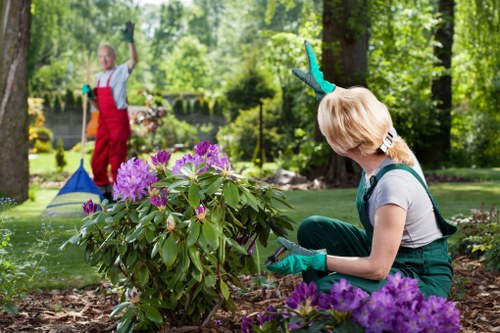
Recycling and Sustainability for Lawn Mowing Finsbury Park
At Lawn Mowing Finsbury Park we combine quality lawn care with an unwavering commitment to the environment. Our local lawn maintenance in Finsbury Park focuses on creating an eco-friendly waste disposal area and a sustainable rubbish gardening area at every site we service. We have set an ambitious recycling percentage target of 75% for green and garden-related waste diverted from landfill by the end of the next financial year, and we track progress monthly to ensure continuous improvement.
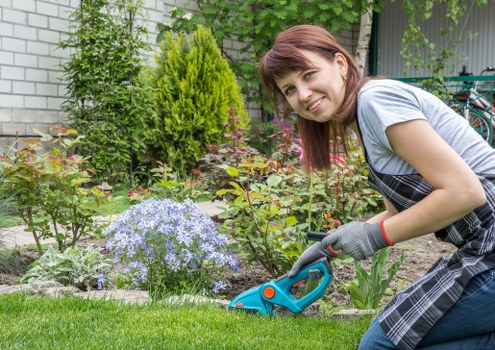 Our approach mirrors the boroughs' evolving strategies toward household and green waste separation: we separate garden cuttings, soil, woody material, and packaging on-site where feasible, and feed those streams into the appropriate recycling and composting channels. This aligns with local councils' emphasis on separate collections for dry recyclables, food waste, and garden refuse in neighbouring boroughs such as Islington and Haringey, supporting a circular approach to green space management.
We design each job so that the maintenance of the green space becomes part of the solution, not part of the problem. Our sustainable rubbish gardening areas are organised with labelled bins and temporary holding skips for clean green waste, topsoil reuse, and reusable hard landscaping materials. Where possible we process softer vegetation into mulch or compost at community hubs or approved transfer stations rather than sending it to mixed waste streams.
 Low-impact logistics are central to our service. Our fleet of low-carbon vans—comprising electric and plug-in hybrid models—serves the Finsbury Park area on optimized routes to reduce emissions and congestion. These low-emission vehicles lower our operational carbon footprint and allow us to offer quieter, cleaner lawn care in sensitive residential areas and parks.
We also work with local transfer stations and civic amenity sites to ensure proper handling of separated materials. This includes coordinating deliveries to North London transfer facilities such as Edmonton EcoPark as well as other nearby civic sites that accept garden waste, wood, and inert materials. By routing separated streams to the right local processing centres we improve recycling yields and reduce contamination.
Partnerships with charities and community groups are part of our sustainability playbook. We donate usable tools, pots, and surplus plants to local green charities and community gardens, and offer composted mulch to allotment groups and urban growers. These collaborations turn routine green waste into a resource: soil improvers, habitat piles for biodiversity, or starter compost for community food-growing projects, thereby reinforcing the circular economy in the neighbourhood.
Our sustainable lawn care services in Finsbury Park include a documented chain of custody for larger waste items and a clear reuse-first hierarchy: reduce, reuse, recycle. Items that can be repurposed—such as paving slabs, sleepers, and intact turf—are offered to community projects or diverted to social enterprises that renovate and redistribute materials at low or no cost to front-line groups.
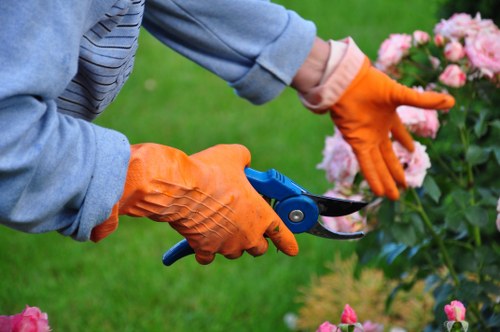 How we make this practical on the ground: each job comes with a simple segregation checklist so crews separate green waste, woody material, plastics, and mixed refuse at source. We maintain photographic records before and after collection and feed data into our environmental dashboard, benchmarking recycling rates against our 75% target and adjusting operational practices if contamination or inefficiencies appear.
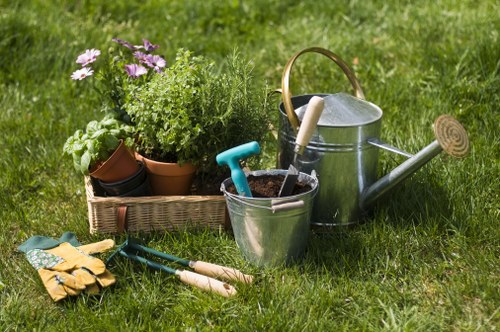 Practical recycling activities relevant to the area include:
- Source-separated composting of grass clippings and hedge trimmings so these streams become compost rather than refuse.
- Wood and branch chipping for mulch used locally or redistributed to parks and community gardens.
- Segregation of soil and inert materials for reuse on site or at licensed inert-material processors.